


When a home goes on the market, every room has a job. The living room needs to feel inviting. The dining area should look functional. A bedroom should feel comfortable without looking overly personal. And throughout the house, buyers need to be able to picture themselves living there.
This is where area rugs can make a bigger difference than many homeowners expect.
A well-chosen rug does more than cover a floor. It can define a room, add warmth, introduce color and texture, and make furniture feel intentionally arranged. For real estate stagers, it can also help an empty or awkward space look finished in photographs and during showings.
The key is choosing the right rug for the room rather than simply putting down whatever happens to be available.
What Are Buyers Responding to Right Now?
Home interiors are moving away from spaces that feel overly stark and impersonal. Current design trends are bringing back warmer colors, natural-looking materials, layered textures, and rooms that feel comfortable and lived-in without appearing cluttered.
That shift is useful when preparing a home for sale.
A completely empty room can make it difficult for buyers to understand its scale. On the other hand, a room packed with furniture and accessories can feel smaller than it actually is. The right area rug sits somewhere in the middle. It gives the eye a focal point, helps establish furniture scale, and adds enough visual interest to make the space feel finished.
Defining Open Spaces
Open-concept homes are still common, but large uninterrupted spaces can create a staging challenge.
• Where does the living room end?
• Where should the dining area begin?
• How do you make one large room feel like several useful spaces without putting up walls?
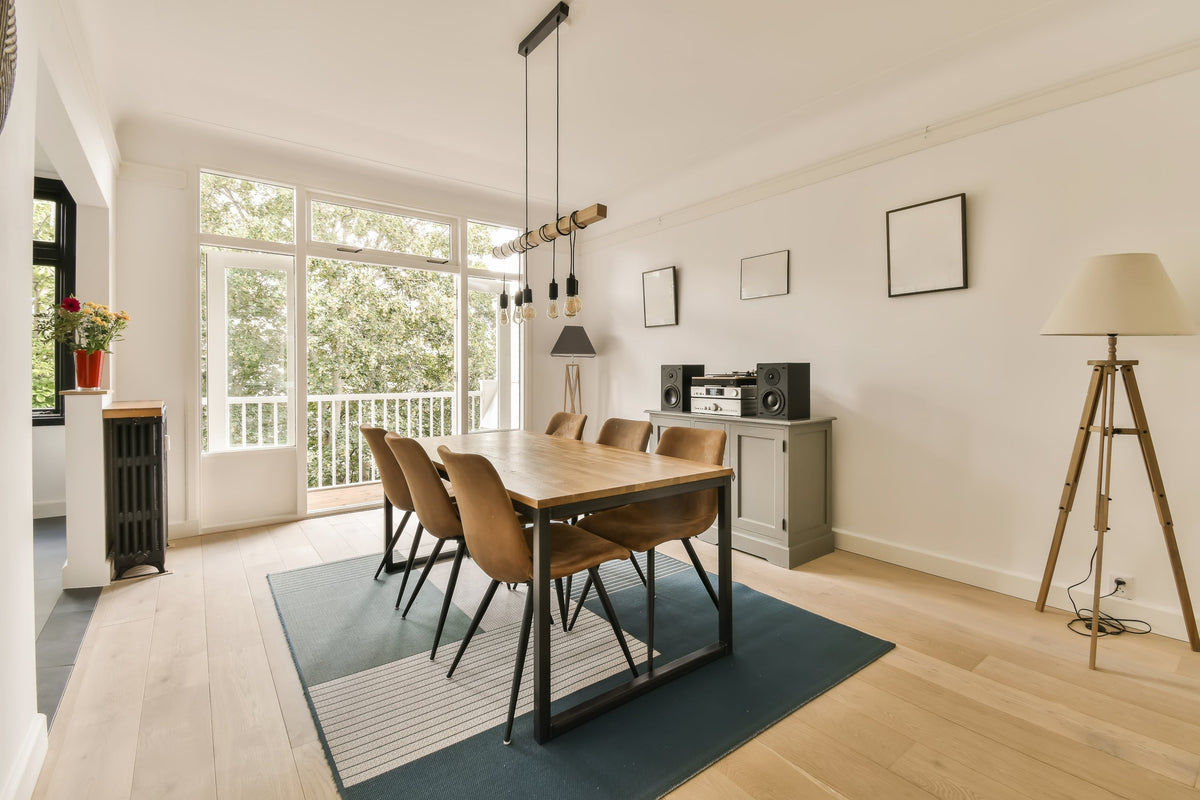
Placing an appropriately sized rug beneath a living room seating arrangement creates a visual boundary. Another rug can anchor a dining table and chairs. The result is a room that feels organized without physically dividing it. Designers continue to use rugs as a way to create these distinct zones while maintaining an open, connected feel.
For a stager, that can be particularly useful when working with open floor plans.
Size Matters More Than Most People Think
One of the easiest ways to make an otherwise beautiful room look awkward is to use a rug that is too small.
A tiny rug floating in the middle of a large seating arrangement can make the furniture feel disconnected. A properly scaled rug, however, can bring the pieces together. For staging, think about the furniture first.
In a living room, the rug should generally relate to the entire seating arrangement rather than looking like a small island underneath a coffee table. In a dining room, there should be enough rug beyond the table for chairs to remain on the rug when pulled away from the table.
The goal is simple: the rug should make the room look intentional.
Neutral Does Not Have to Mean Boring
There is a reason neutral rugs are popular in homes being prepared for sale. They are versatile. Cream, ivory, beige, taupe, gray, and soft blue can work with a wide range of furniture and wall colors. They also give buyers fewer visual obstacles when they walk into a room.
But neutral does not mean the rug has to be completely plain.
Subtle patterns, faded designs, woven textures, and tonal variations can add character without overwhelming the room.
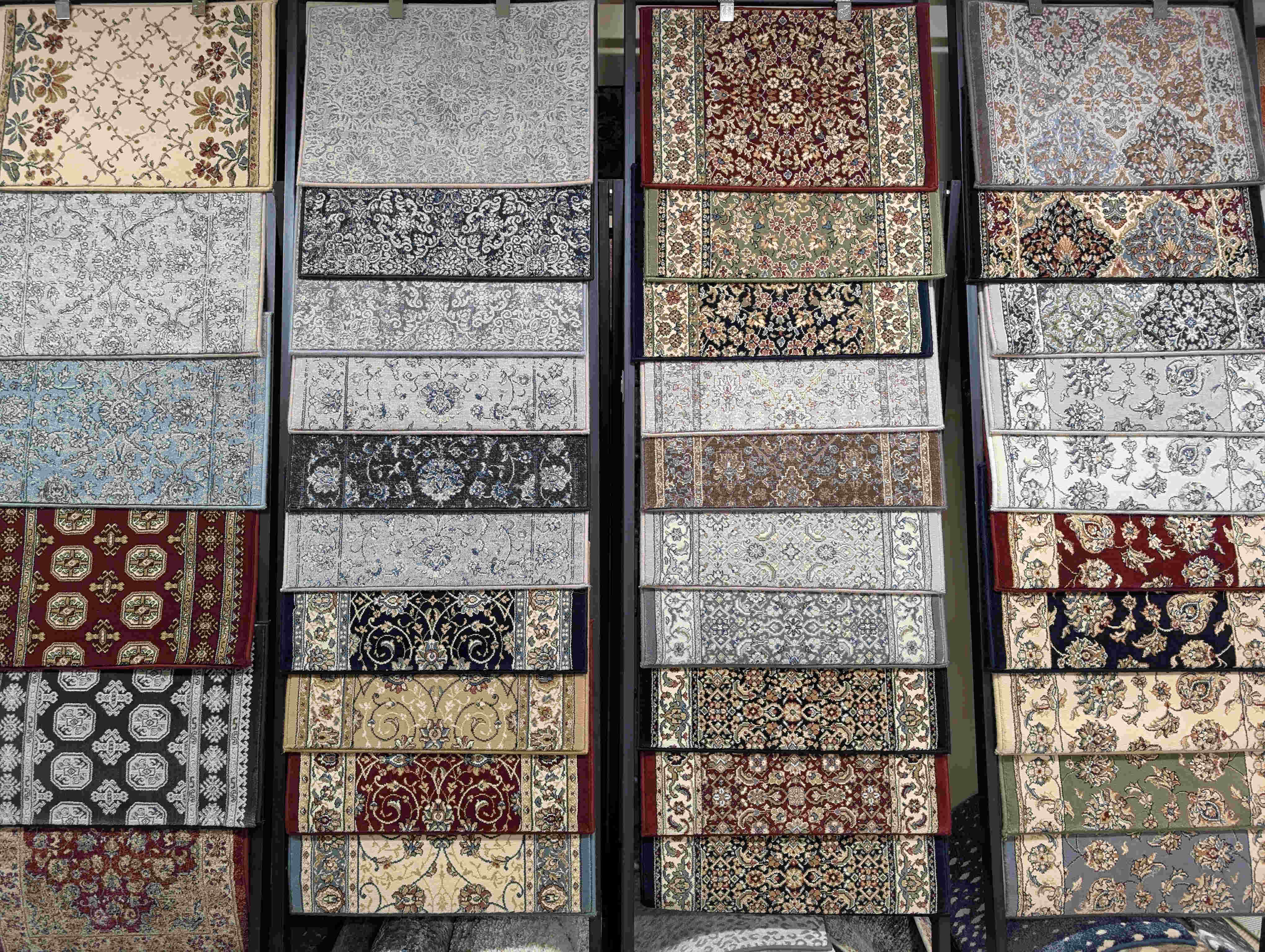
Rug Depot Home carries area rugs in a wide range of styles and colors, including traditional, transitional, modern, and casual designs. Its collections also include ivory, blue, green, black, and other color options. The variety gives homeowners and stagers room to coordinate a rug with the house rather than trying to make every room look identical.
A Little Pattern Can Help a Room Photograph Better
Staging is not just about what buyers see when they walk through the front door. It is also about what they see online.
Listing photos create the first impression for many buyers, and completely neutral rooms can sometimes disappear into a sea of similar listings. A rug with a restrained pattern can give a room some personality while still keeping the overall look buyer-friendly.
Think vintage-inspired patterns, subtle geometrics, faded traditional designs, or natural-looking textures rather than something so bold that the rug becomes the first and only thing a buyer notices. The right pattern gives the photograph something to anchor around.
What About Color?
This is where homeowners sometimes go too far. If the house already has strong wall colors, colorful cabinetry, or distinctive architectural details, a calmer rug may be the better choice. If the room is primarily white, beige, or gray, however, a rug can introduce just enough color to keep it from feeling flat. Soft blues, muted greens, warm earth tones, and understated multicolor patterns can add interest while remaining approachable.
For a home going on the market, the objective isn’t necessarily to follow every design trend. It is to create rooms that feel current without becoming so specific that buyers immediately start thinking about what they would change.
Making an Empty Home Feel Like a Home
Vacant properties create a different staging problem. Without furniture, buyers can have difficulty judging the proportions of a room. A large bedroom can look smaller than expected. An open living area may not have an obvious purpose. Furniture solves part of the problem, but rugs can reinforce it.
A properly sized area rug helps establish where furniture belongs and how the room is intended to function. That visual cue can be especially helpful in larger homes, open floor plans, and rooms with unusual layouts.
Don’t Forget the Entryway
The entry is one of the first areas buyers encounter, so it deserves attention. A well-placed runner or area rug can make an entry feel warmer and more finished. It can also help transition visually from the front door into the rest of the home.
The same principle applies to hallways and stair areas.
Rug Depot Home offers both area rugs and stair runners, including matching options and custom-length solutions. The company also offers unusual rug shapes and custom sizing for spaces that don’t work well with standard rectangular rugs.
What Actually Helps Sell a Home?
Let’s face it: a rug won't sell a house by itself. Buyers are looking at the location, condition, price, layout, finishes, maintenance, and countless other factors. But staging is about creating a strong overall impression.
Clean spaces feel better.
Well-proportioned furniture makes rooms easier to understand. Warm textures make a house feel inviting. And the right area rugs can tie those elements together.
For homeowners preparing to list, that may mean replacing a worn rug rather than trying to hide it. For stagers, it may mean keeping several versatile sizes, colors, and patterns available for different properties.
The goal isn’t to make the house look like a showroom. It is to help buyers walk in and think, “I could live here.”
Choosing Area Rugs for a Home That Is Going on the Market
Before purchasing a rug for staging or resale, look at the entire room. Consider the flooring, wall color, furniture, natural light, and room dimensions. Measure before shopping. Think about how the rug will appear in listing photos as well as in person.
Most importantly, choose something that supports the house instead of competing with it.
Rug Depot Home offers a large selection of area rugs in different sizes, styles, colors, and shapes, with options for homeowners looking for both standard and more customized solutions.
Ready to Give Your Home a More Finished Look?
Whether you’re preparing your own home for sale or staging properties for clients, the right rug can pull a room together without requiring a major renovation.
Visit Rug Depot in Nashua or shop their online store to explore an extensive collection of rugs, unusual sizes, custom options, and styles that can help your rooms look polished, comfortable, and ready for their next owner.